In March of 2023, I joined 25 others for a week-long psychospiritual retreat on the outskirts of Petaluma. Among us: a CFO of a Fortune 500 company, multiple entrepreneurs and founders, at least one billionaire. We came to unravel the unconscious patterns steering our lives.
Our phones and laptops were locked away for the retreat’s duration. We knew each other by nicknames only. No talk of professional identity was allowed until the final day.
Despite our varied backgrounds, the patterns were the same. Our facilitators had seen them time and again. Some obvious: No matter how much money I make, it’s never enough. Others, more subtle: Seeing negative emotions as personal failings.
One pattern jumped out at me: Can’t look foolish.
Across the week, I traced this pattern’s origins and the ways it had been reinforced. A home where missteps were named and shamed. A school system that rewarded recitation over experimentation. A work culture that promoted confidence over deference.
Of all the patterns we unpacked that week, this one speaks most forcefully during market volatility.
Each gap down brings cries of risk off. Each gap up, a hedge. “Nibbling here.” “Adding back.” “Reversing with a tight stop.”
I used to see this as tactical opportunism. Now I see it for what it is: the compulsion to act so that, should the market bottom tonight, “I didn’t get shaken out.” I wasn’t fooled.
These trades never add to an edge. And the mental drain of the constant in-and-out suffocates the creative flow that could be put to use sharpening one’s sword or developing new playbooks.
If you’ve found yourself tethered to each market open and close this month, consider what unseen pattern is puppeteering you. Not to shame it. To see it clearly. The pattern you’ve been rewarded for all your life may be exactly what’s working against you right now.
Guidelines for a Selloff
In the March 7, 2026 issue, I shared that our Macro Ops team had flattened our equity book.
That Friday, the primary trend filter for my long-equity breakout system flashed risk off. It’s remained risk-off since:
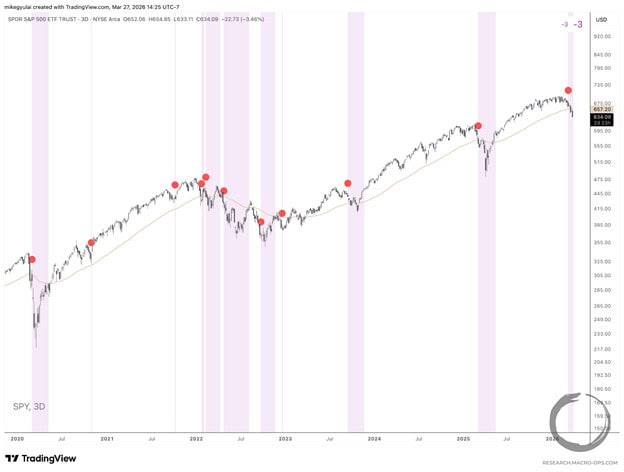
SPDR S&P 500 ETF (SPY), 3D
Purple Shaded = Unfavorable Long Equity Breakout Regimes
From that same issue, NQ is moving toward its 22,200 measured move target:
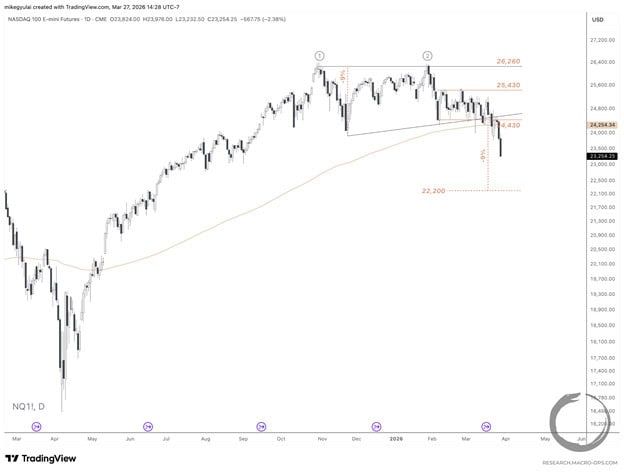
NASDAQ 100 E-mini Futures (NQ1!), 1D
The Nasdaq 100 Equal Weight has already reached its measured move target of 123.50:
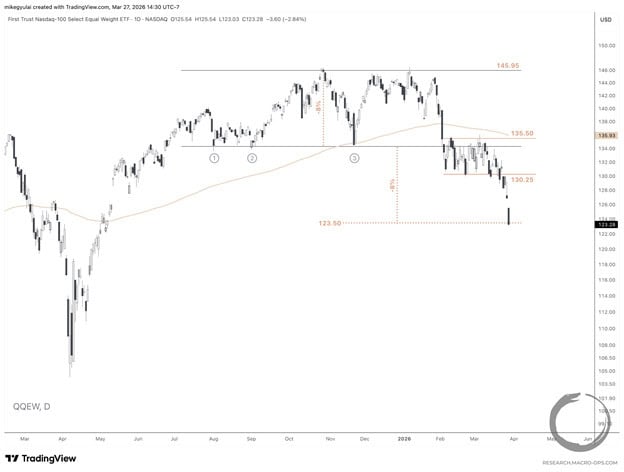
NASDAQ 100 E-mini Futures (QQEW), 1D
Even the poster child of the AI revolution is threatening breakdown from a Head & Shoulders Top:
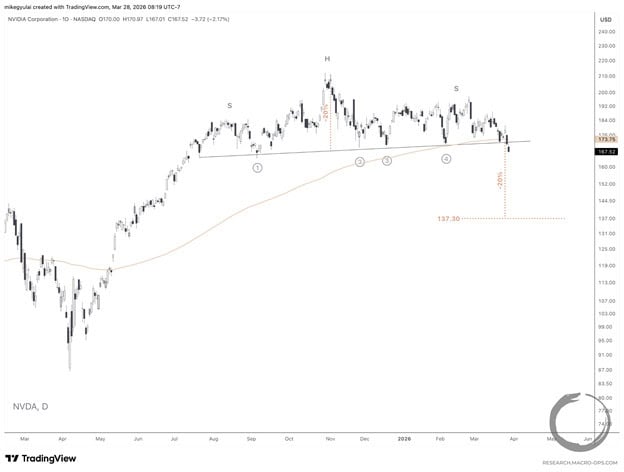
NVIDIA Corporation (NVDA), 1D
It’s important to remember what measured move targets are—and what they are not. A measured move target is not a prediction. It is neither a minimum nor an extreme.
It is simply a guideline. In the most basic sense, a measured move target says: “Price could reasonably move to this level because, very recently, price repeatedly made the same size move within a range.” No magic about it.
The Pauses that Refresh
There are a number of patterns that have held their consolidations, as well as many opportunities to play on the short side or between range boundaries. If these are playbooks that you have yet to develop, now could be the perfect time to do so.
Here are the names that grabbed my attention:
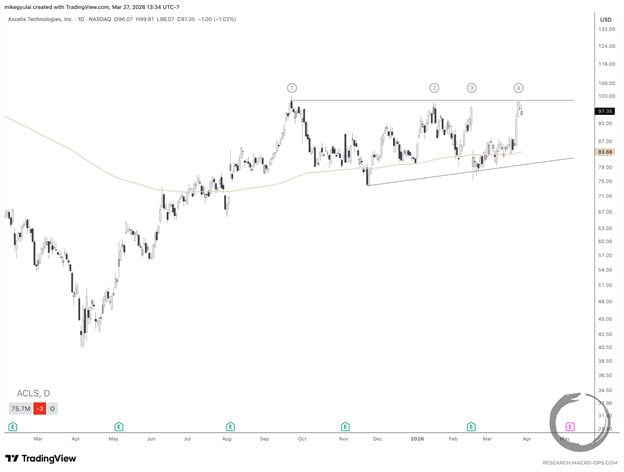
Axcelis Technologies (ACLS), 1D
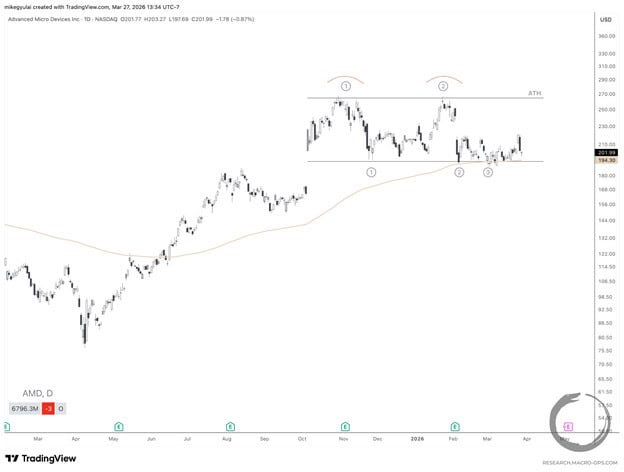
Advanced Micro Devices (AMD)
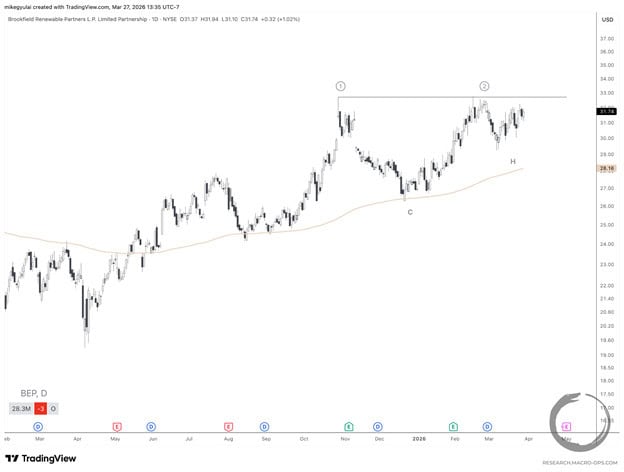
Brookfield Renewable Partners (BEP)
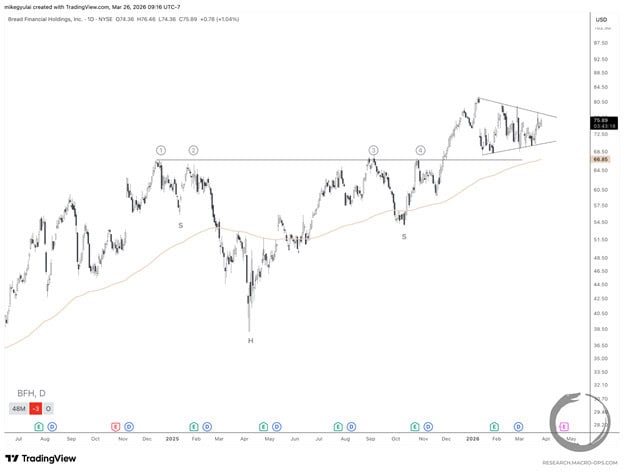
Bread Financial Holdings (BFH)
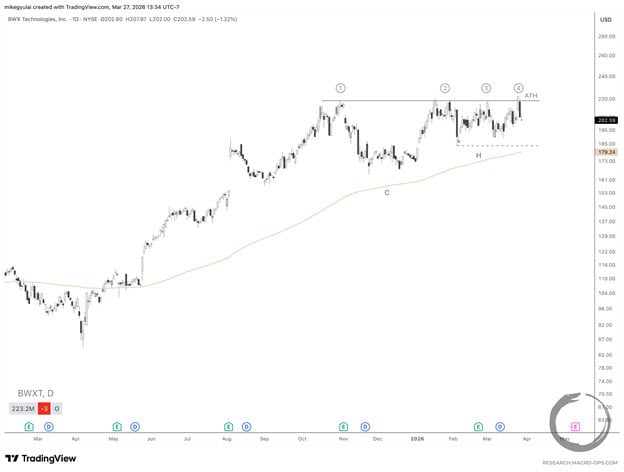
BWX Technologies (BWXT)
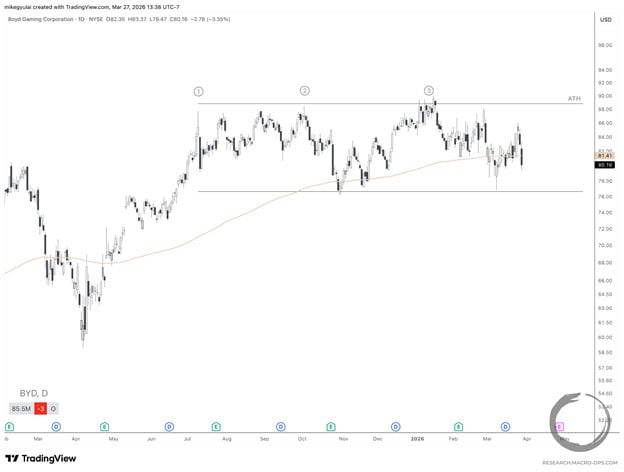
Boyd Gaming Corporation (BYD)
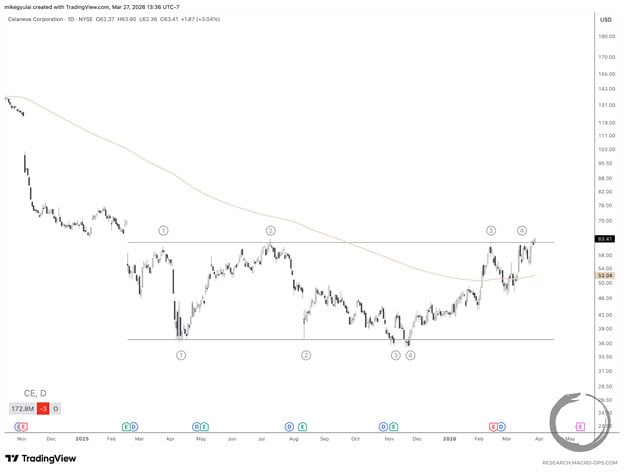
Celanese Corporation (CE)
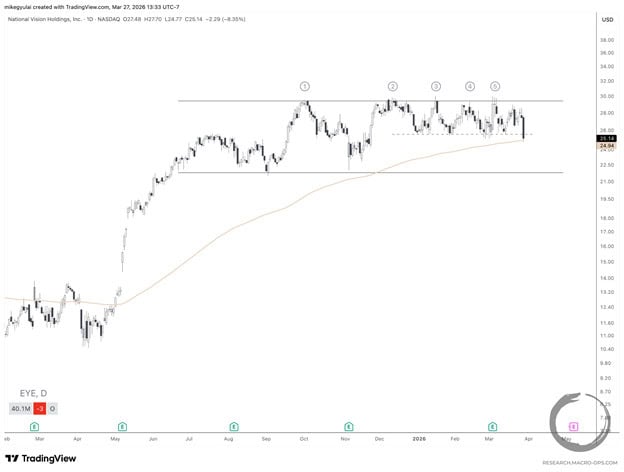
National Vision Holdings (EYE)
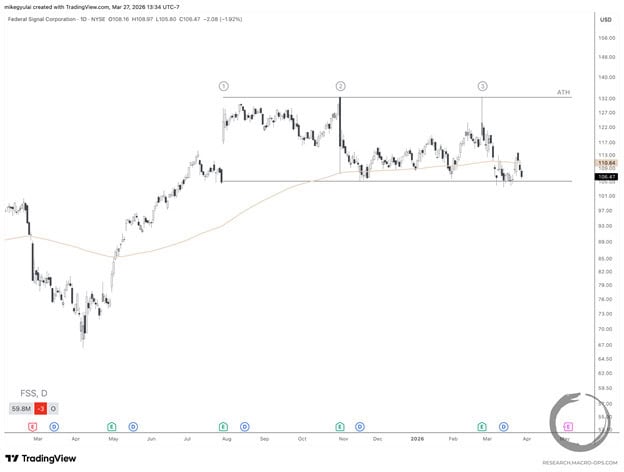
Federal Signal Corporation (FSS)
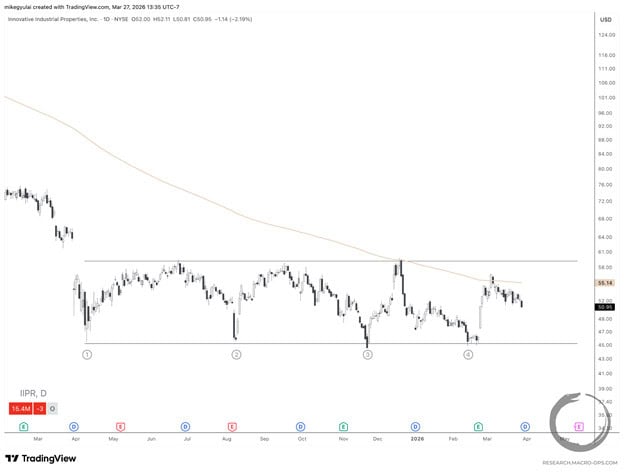
Innovative Industrial Properties (IIPR)
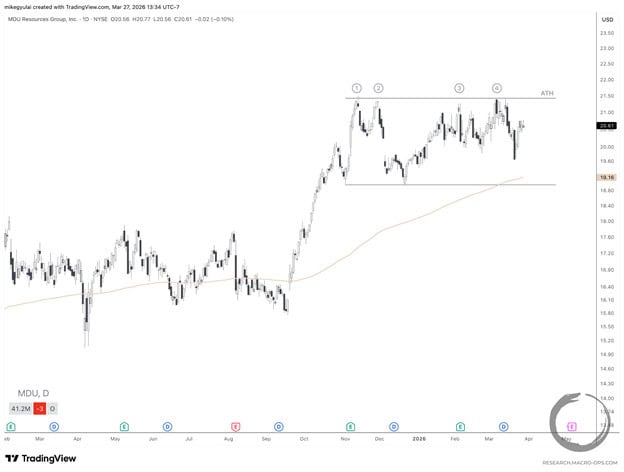
MDU Resources Group (MDU)
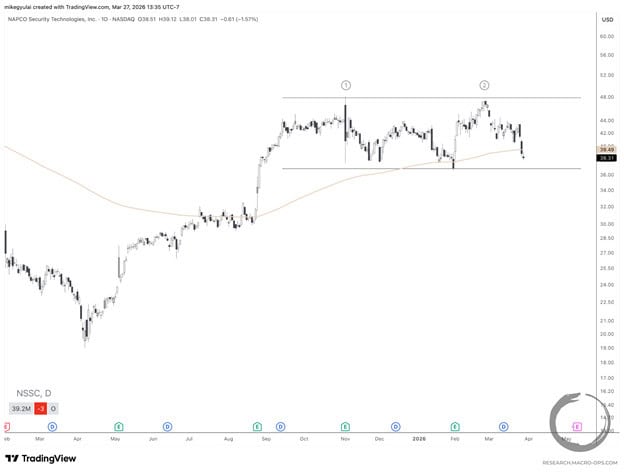
NAPCO Security Technologies (NSSC)
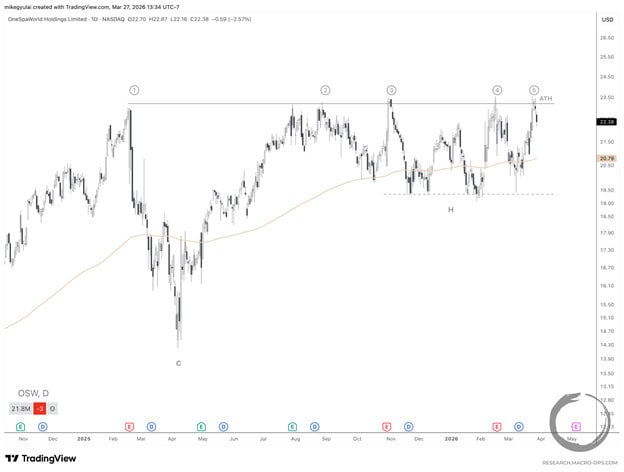
OneSpaWorld Holdings (OSW)
Best wishes in your trading, and see you in the next issue.