There are times to be short VOL, times to be long VOL, and other times when conditions in the market make it disadvantageous to be on either side. Through the lens of what I study, right now is one of those times when I prefer to watch from the sidelines. In this week’s episode, I explain why the short VOL trade presents poor risk/reward, and why the long VOL trade faces structural headwinds.
With FOMC now behind us, the path to the end of the year is considerably clearer, at least from a “known events” standpoint. But just because the path is clearer doesn’t mean it isn’t windy and uncertain. Thankfully, the volatility market can be our guide.
Key topics explored in Episode 6:
- A divergence between VVIX and the broad measure of VIX implied volatility on Tuesday that gave a heads up ahead of the VVIX jump on Wednesday, what it suggested was happening ahead of FOMC, and how it impacted markets after the event.
- Persistent VVIX outperformance over VIX and VX futures, and how I interpret this.
- The chronic “undervixing” discussed in previous episodes continues. How long can it last?
- On Monday, I got a signal from my fixed strike volatility matrix that was confirmed by the CBOE’s VIX Decomposition tool, both of which pointed to “risk on” positioning ahead of FOMC.
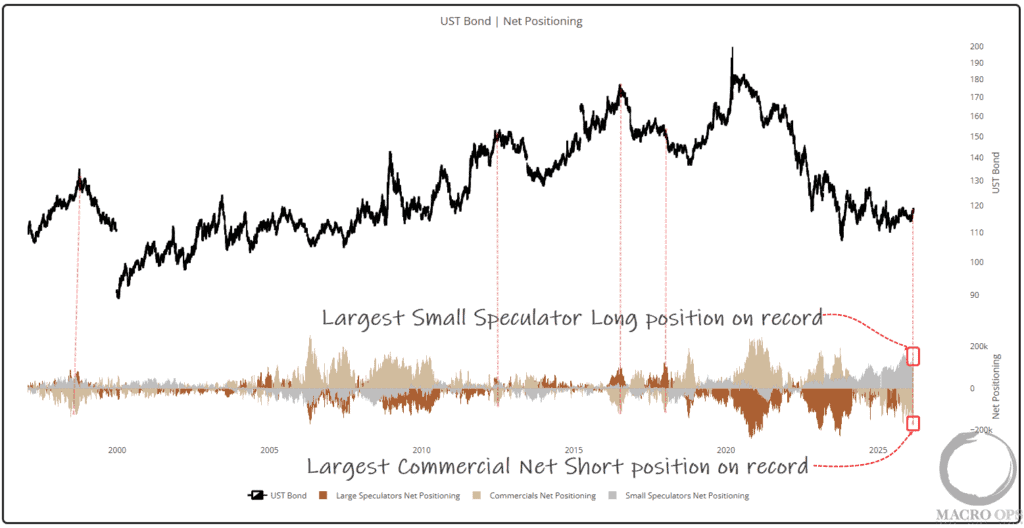
- An uptick in Treasury market realized and implied volatility that has my attention.
- A quick look at deteriorating liquidity in S&P futures.
- And in this week’s Tales from the Tape, I zoom in on price and volume action around two levels in S&P futures, and why I didn’t love how the market closed out the week.